Sometimes we struggle so hard to paint the image before us—the form, shadows, the colors, and lines—we forget to also paint our emotional response to the subject matter also. In the matter of faith, John Wesley once said, “There have been many in every age and nation, who were almost persuaded to be Christians, but are not altogether a Christian.” Some have the outward appearance of religion, but not the inner heart of a transformed person, that is, they do all that is expected of a religious person: honesty, generosity, service, worship attendance, but they lack “sincerity.” Wesley, in his sermon, The Almost Christian, writes:
“By Sincerity, I mean, a real, inward principle of religion, from whence these outward actions flow. And, indeed, if we have not this, we have not heathen honesty; no, not so much of it as will answer the demand of a heathen epicurean poet. Even this poor wretch, in his sober intervals, is able to testify: Good men avoid sin from the love of virtue: Wicked men avoid sin from a fear of punishment.”
In art class, a student can master the skills of image making with practice, but taking the time to discover their own inner voice is more challenging. I would equate it to Wesley’s own experience of transforming grace, which occurred at the Aldersgate meeting place:
“In the evening I went very unwillingly to a society in Aldersgate Street, where one was reading Luther’s preface to the Epistle to the Romans. About a quarter before nine, while the leader was describing the change which God works in the heart through faith in Christ, I felt my heart strangely warmed. I felt I did trust in Christ alone for salvation; and an assurance was given me that He had taken away my sins, even mine, and saved me from the law of sin and death.”
Before this experience, this preacher’s son never doubted his faith, but it was never personal. He had the faith of assent, but not the faith of assurance. We English speaking people often confuse faith and belief. In Greek the word for faith or belief is πίστις, which comes from the verb πείθω, meaning “to persuade, to convince, to trust, or to have confidence.” Faith (πίστις/pistis) involves belief, but it goes beyond human believing. The true faith of assurance involves God working within personal revelation. Faith is always God’s work. Our believing has eternal meaning when it becomes “faith-believing” by the transforming grace of God.
We artists understand this transformation of the heart in creative terms. We need to move from our head to our hearts to get our whole selves involved in our work. If we use only a part of our being, we are less than the wonderful self which God created. Too often we slip into a Greek platonic heresy, especially when we denigrate the body as nothing. God sent his Son Jesus in human flesh with a mind, a heart, and a soul to redeem the whole of fallen creation to God’s original glory.

As artists, we try to unite the colors, shapes, lines, and images on our canvases to bring the beauty of creation and harmony into this world of chaos and destruction. While we are not gods, we are creators. We yearn for beauty, joy, and love. As Marc Chagall once said,
“If I create from the heart, nearly everything works; if from the head, almost nothing.”

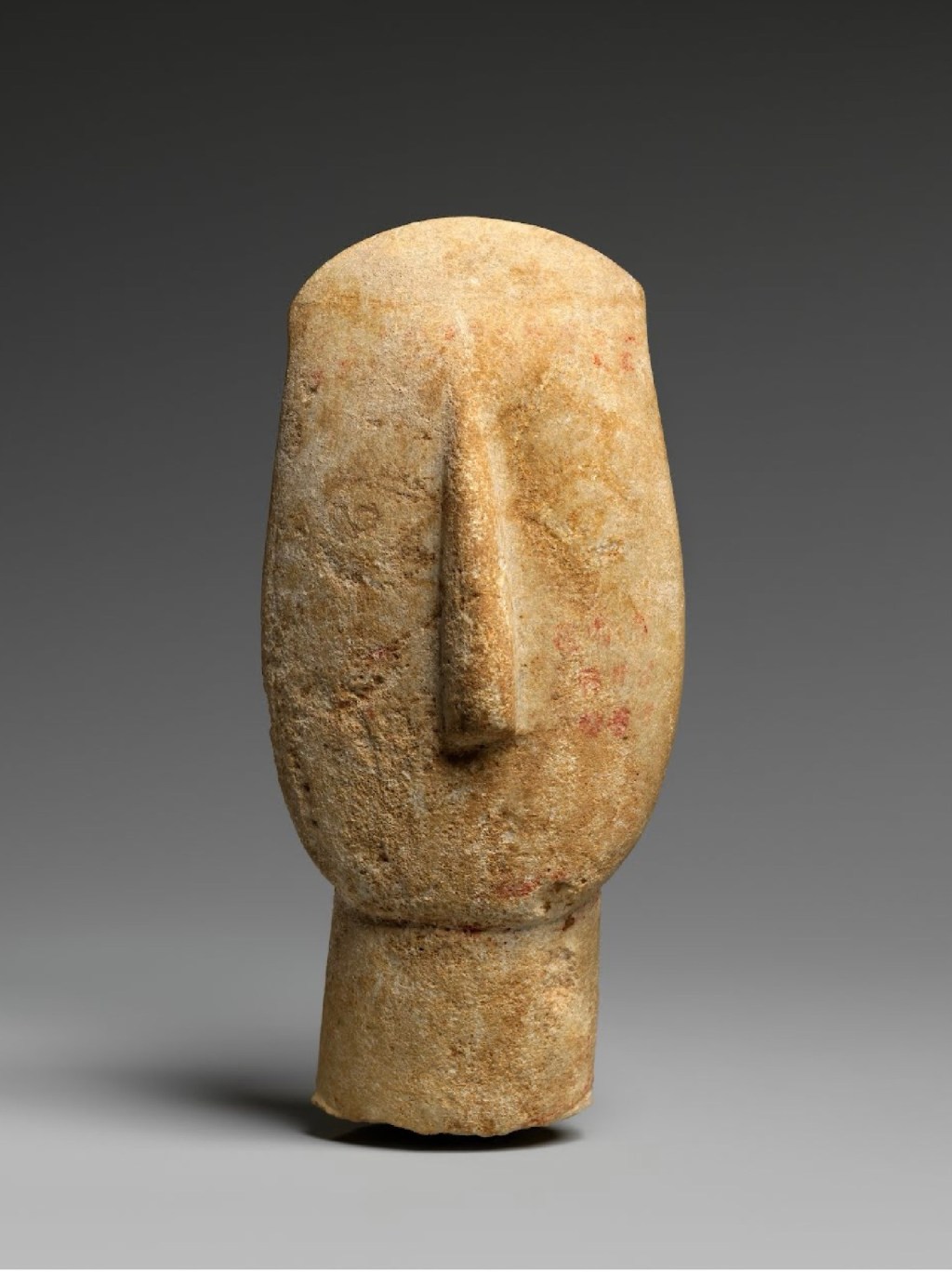
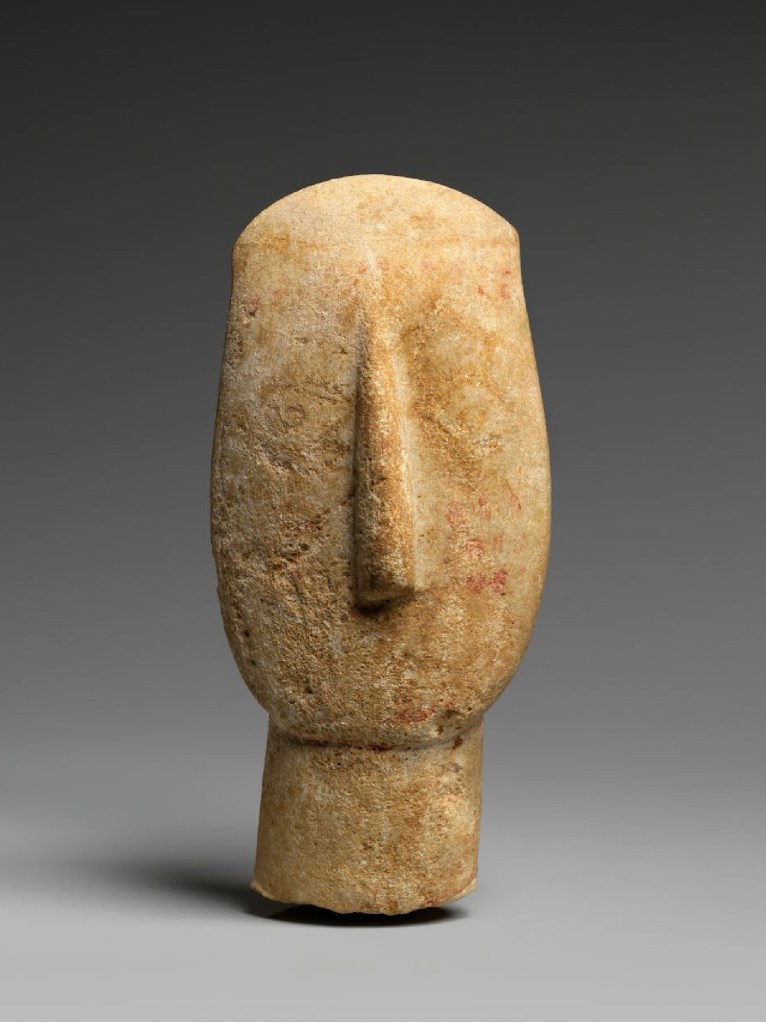
I recently visited the Kimbell Art Museum in Fort Worth, Texas. Having brought back several postcards of artworks from various ancient eras, I showed the group other images of modern artists who were inspired by these pieces. The simplicity of forms of these pieces from early Cycladic art influenced both Modigliani and Brancusi.
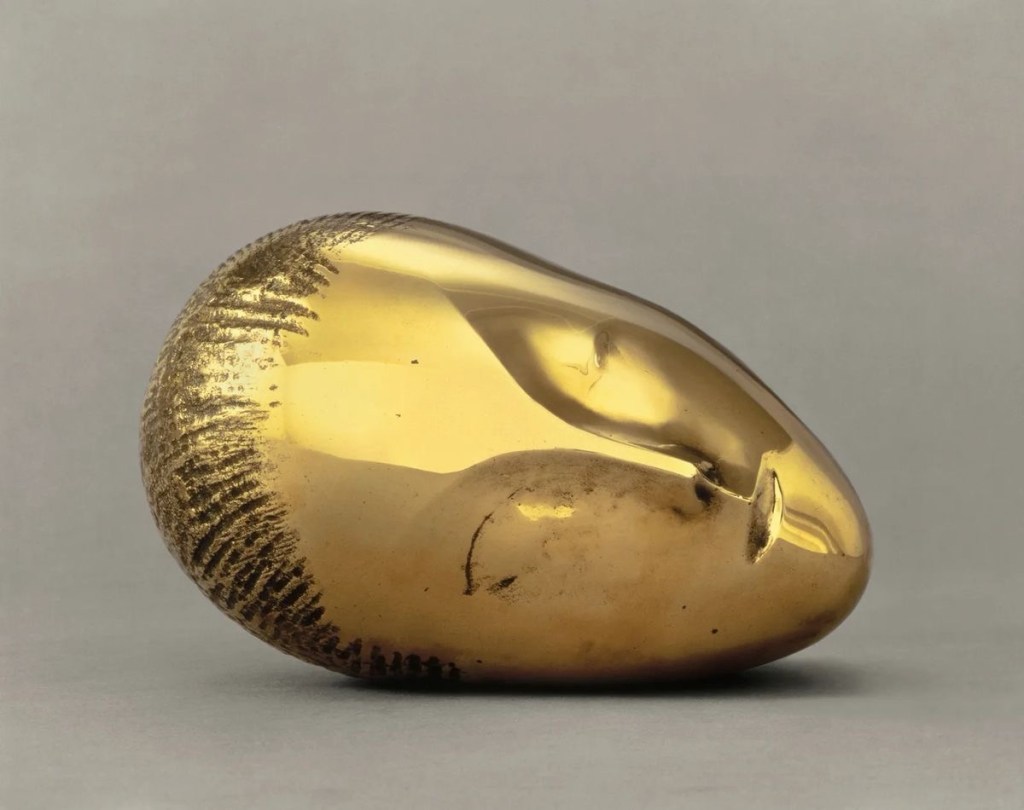
I offered the cards to the group and let each one choose the image which spoke to them. Then I asked them not to copy the photograph, but to paint their emotional response to it.
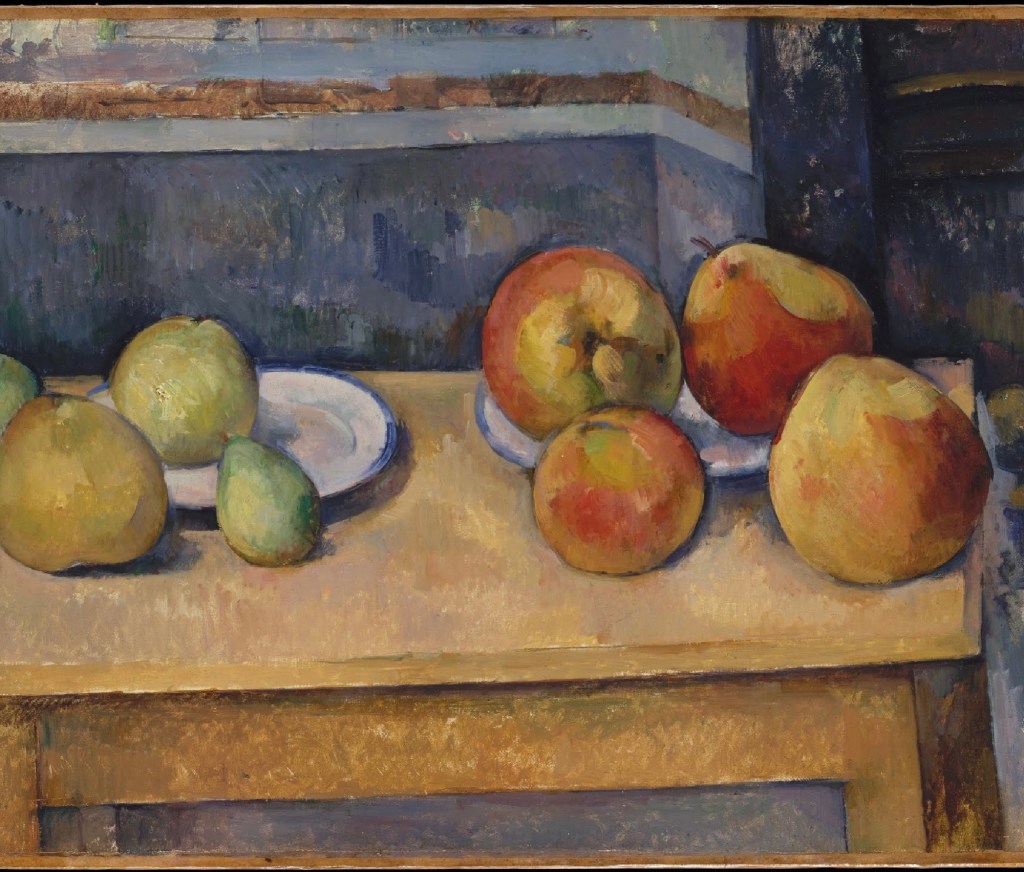
Paul Cezanne, noted for his analytical approach to his paintings, nevertheless claimed,
“A work of art which did not begin in emotion is not art.”
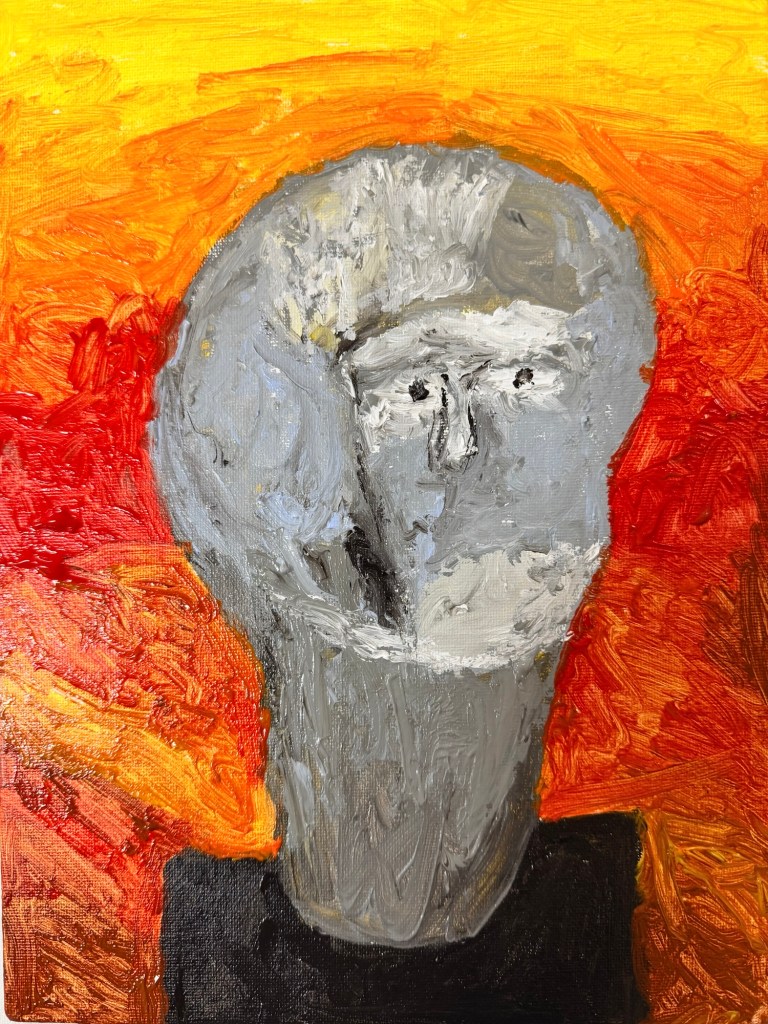
Mike always enjoys his time in art class. His heart and hand are connected. Even if he has not yet the skills which come from practice and seeing, he has the heart of a creative. His paintings always exude joy. Back in the days of my art school—the 70’s—we would have said, “Let your freak flag fly!” Epictetus, an early 2nd CE stoic philosopher, was more profound:
“If you would improve, be content to be thought foolish and stupid.”
Gail chose the card with a mosaic of a vase and a vine. The original mosaic represents a chalice, the cup that holds the consecrated wine and water of the Eucharist. This image reminds us of the Last Supper and Christ’s sacrifice on the Cross. The ivy is an allusion to immortality.
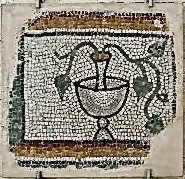
Gail spent her career in the National Park Service, so anything with nature calls her name. Artists always do best with a subject that speaks to them. They will walk through the woods, full of many trees, until they find the one tree with the light and the surroundings that cause them to stop in their tracks. I’ve walked through an entire forest, only to turn around at the end of my hike and see the most magnificent tree in the best light ever. It was waiting for me. I only had to hear its silent voice. If I had been in a hurry to get to my car and do the next thing on my busy life list, I would have never seen this beautiful tree. This is why some artists have their muse, or favorite still life objects, or paint certain landscapes repeatedly.
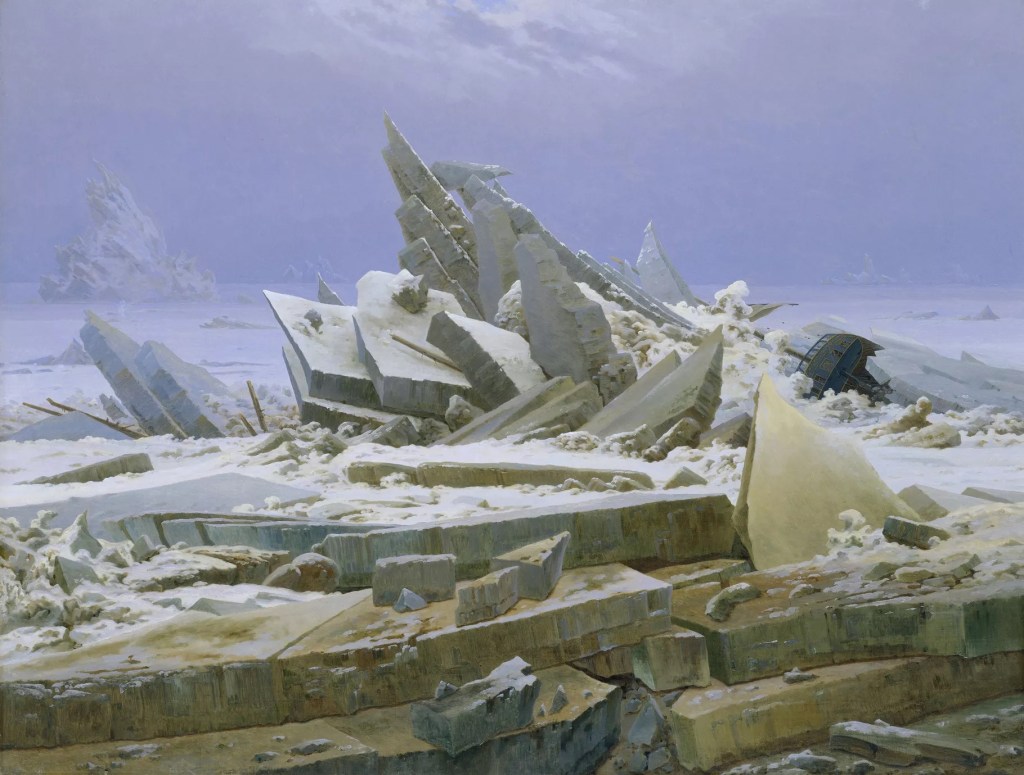
Caspar David Friedrich, the German romantic landscape artist, reminds us:
“The task of a work of art is to recognize the spirit of nature and, with one’s whole heart and intention, to saturate oneself with it and absorb it and give it back again in the form of a picture.”
Gail often envisions her paintings in her mind before she commits her brush to the canvas. If she isn’t seeing a complete image, she has already sketched out in her mind the rough proportions and planned out the colors she wants to begin with. Only then does she begin to work in dialogue with the emerging image. As an artist begins to put colors and shapes on a surface, each stroke changes the dynamics of the blank area. It takes time to learn to be comfortable with those shifting marks.
I always suggest making a preliminary sketch with a line of light-yellow paint wash. Painting over this sketch is easy and it lets you know if you have your shapes correctly sized for the canvas. Gail has been doing this long enough that it is second nature for her.
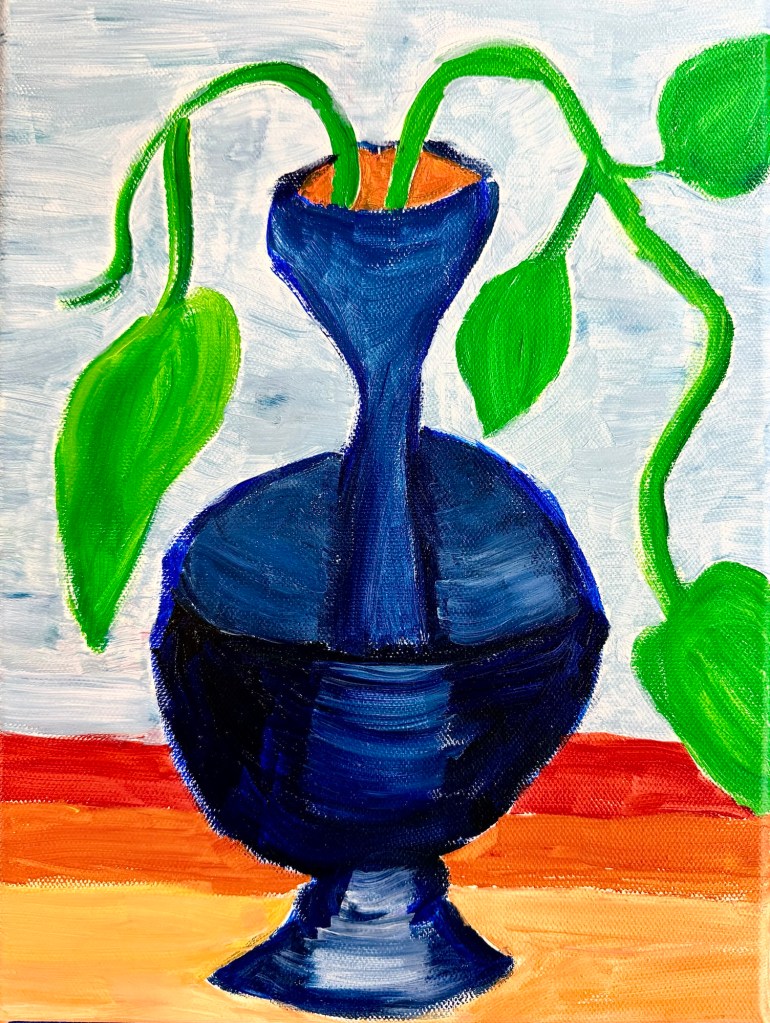
While the rough mosaic stones of the original force the lyric vines into a stylized rhythm, Gail painted the vase and vines more naturally using the liquid medium of paint. Gail often thins her paint into washes which she layers on top of one another to get the colors and depth of shadows in her works. In this painting, she uses free brushstrokes. If she had more time, she might have added some yellow highlights to the leaves, but we were working with a limited color palette. I didn’t look to see if yellow was a chosen color. We were using up our oldest tubes of colors as part of the challenge in the limited palette.

Friedrich repeatedly used a technique called Rückenfiguren—figures with their backs turned to the viewer so that their expression is concealed. An artist uses this method as a means to encourage or invite the viewer to reflect on what it means to see.
Republic, Ministry of Culture.
My oldest tubes are earth colors and deep chemical blues. I most often paint in a bright color scheme. In my last months of college, I made many black and gray paintings. My dear parents were worried I was depressed. When they found out I was merely using up my least favorite pigments so they wouldn’t go to waste, they were relieved. They grew up in the Great Depression era and believed in wasting nothing. My daddy kept all his bent boat motor propellers nailed to his workshop wall, waiting for the day when it would be cheaper to hammer them true rather than buy a new one. He always bought a new one because a machine could make them better than a human hitting an old-fashioned anvil.
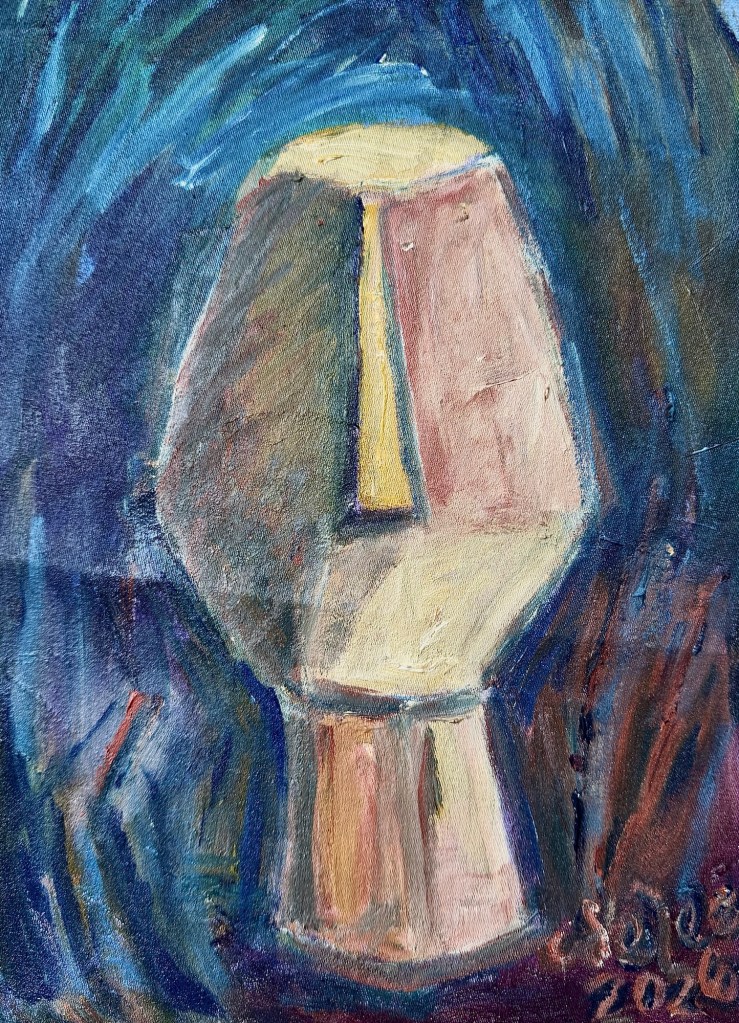
When a face has no eyes or mouth, and it has no ears or distinctive hair, who is it? Is it our inner self, or the god we imagine in our own image? Could it be our ancestor/s? The unknown and uncertainty of this identity, or this object’s lack of identity, I find both unsettling and attractive. It has both a light and a dark side: a side for good which it would show to all, and a side which it would hide from everyone, if possible.
In human terms, we suppress our negative traits and project them onto the “other.” We only see the bright and positive side in ourselves and those like us. If we are ever to become whole persons, we must face the darkness within us, as well as the darkness in this world about us. A split person is neither whole nor holy.
My grandfather often told me not to point out other’s shortcomings because I had three fingers pointing back at myself. I understood if I could recognize something missing in another, I was lacking in that also. We all have room to grow in love, until our hearts are so full of love for God and neighbor that nothing else exists. When I search this empty face, I ask myself if my heart is yet overflowing with love. If it is not, I can count on the grace and mercy of God’s love in Jesus Christ to bring me further along, if only I cooperate. After all, love is a journey, just as art and the creative life is a journey to perfection. Perfection in love may look different, just as famous artists find different solutions to the challenge of beauty.
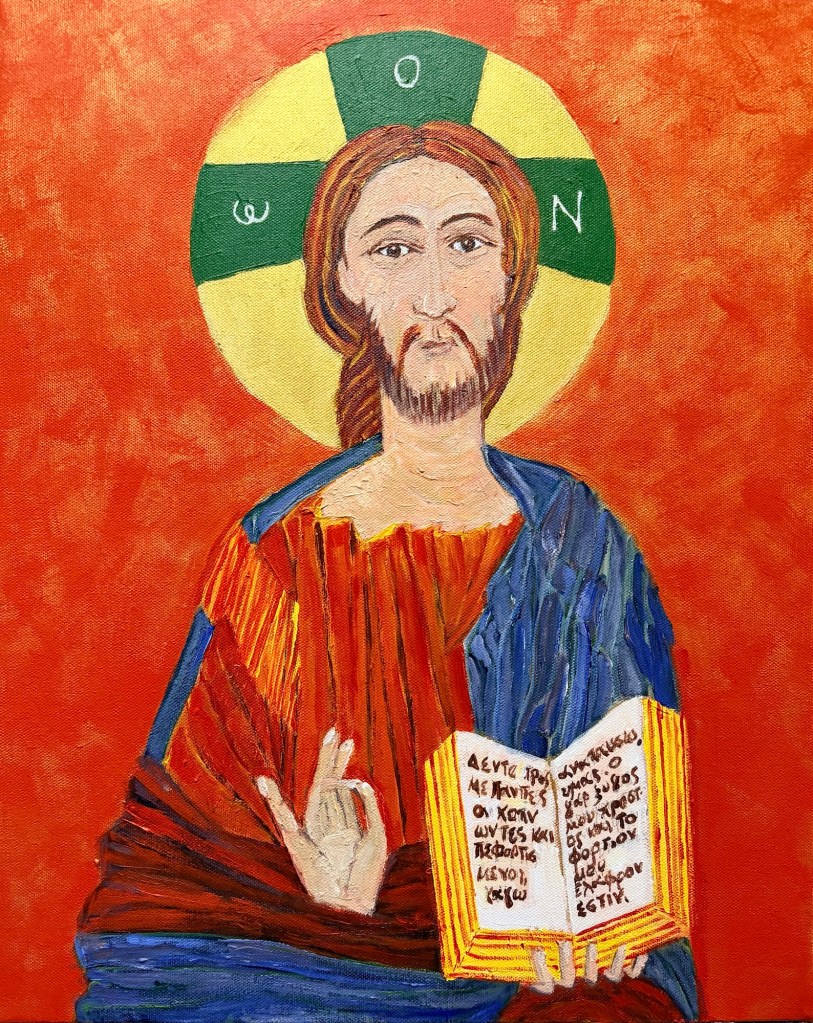
Remember, creating is a natural process for everyone. The core idea in art therapy is “Everyone is creative and can be expressive in the visual arts when working in a supportive setting.” No one will be asking us to repaint the Sistine Chapel anytime soon, but we can all enjoy giving our own expression to the blank spaces before us. Yet, perfection in love will always be the great standard which guides us all. We don’t need Ten Commandments, when two done well suffice:
“Love the Lord your God with all your heart and with all your soul and with all your mind and with all your strength.’ The second is this: ‘Love your neighbor as yourself.’ There is no commandment greater than these.” (Mark 12:30-31)
I hope you spend your new year more focused on loving God, whose steadfast love abides forever, and loving the neighbor, whom God has placed in your path, as a recipient of God’s love shed abroad from your heart into your neighbor’s life. Our class meets on Fridays from 10 to noon. Art Fridays are a one room schoolhouse. I’ve taught all ages from preschool to adults. Bring your own supplies and you can start from where you are. You can’t be behind unless you never start. I can promise you won’t make museum quality paintings this year! However, you will be better at the end of the year than you are now. You will know more. Plus, the art life is a better, more beautiful life.
Joyce and peace,
Cornelia
Wesley’s Sermon Reprints: The Almost Christian | Christian History Magazine
https://christianhistoryinstitute.org/magazine/article/wesleys-sermon-reprints-almost-christian
Discipleship Ministries | Aldersgate
https://www.umcdiscipleship.org/blog/aldersgate
Strong’s Greek: 3982. πείθω (peithó) — To persuade, to convince, to trust, to have confidence
http://biblehub.com/greek/3982.htm
Epictetus | Internet Encyclopedia of Philosophy
At any skill level, making art reduces stress hormones | ScienceDaily
https://www.sciencedaily.com/releases/2016/06/160615134946.htm?ref=hyperallergic.com

 Artandicon's Blog
Leave a comment