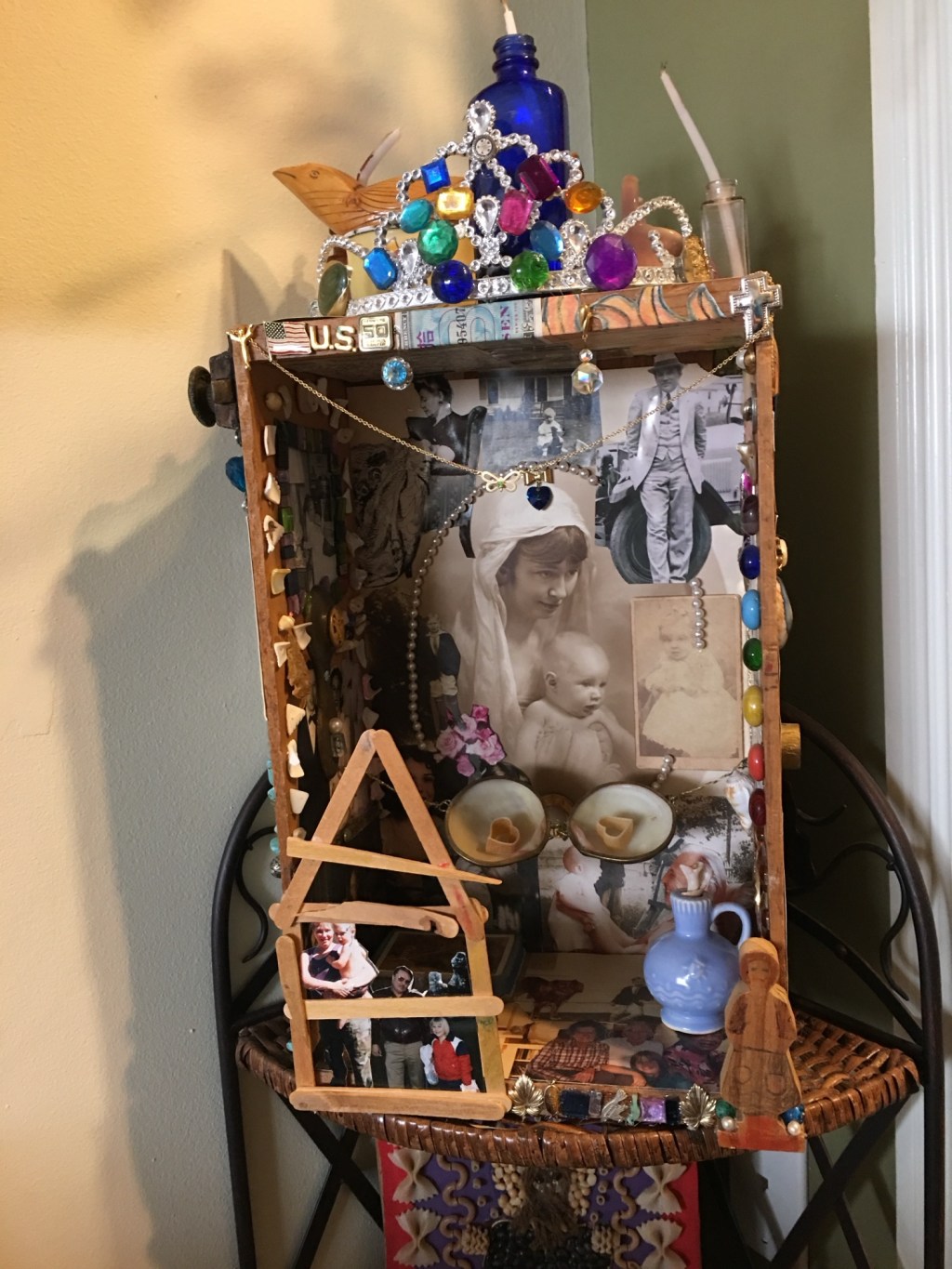
Every summer once I was released from the organized order of daily life at school, I rejoiced in my freedom from the desk and books. I could play when I wanted, draw when I wanted, and mom would call us kids inside for meals. Other than having to rest in the afternoons inside during the heat of the southern summers, I was on my own schedule until swim lessons began at the city pool.
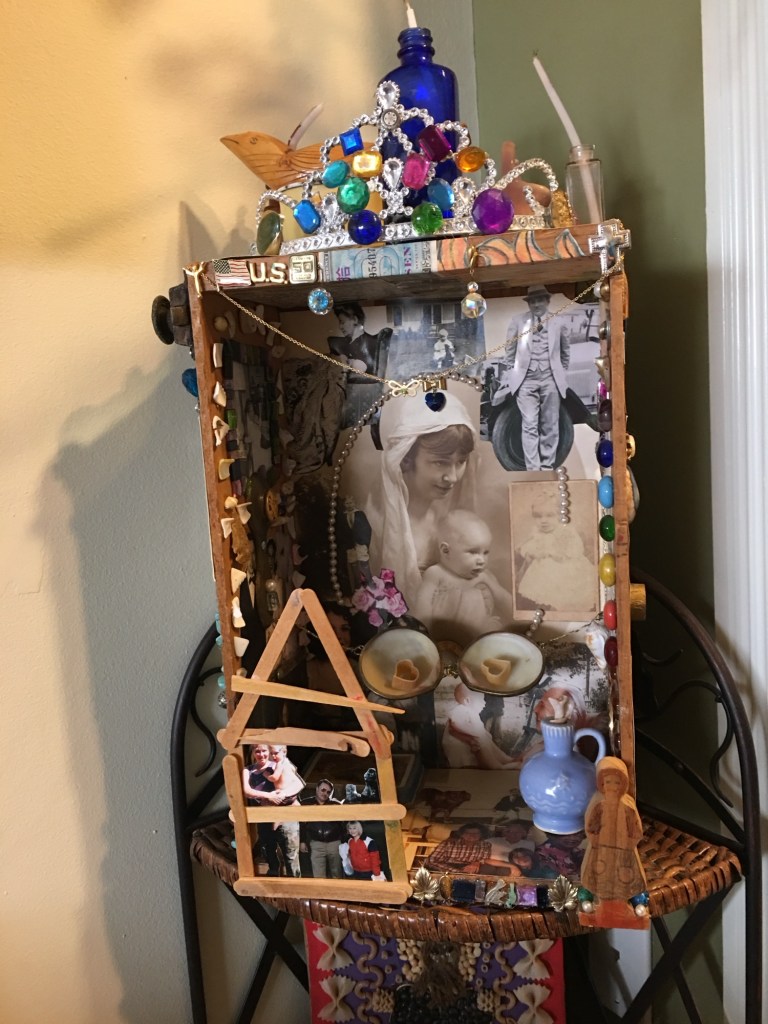
It didn’t take too many days for me to become bored with this newfound freedom, however. When I announced to my mom, “I’m bored,” she replied, “Well, then you could go clean your shelves of Nicknacks.” This was a cabinet built into the wall from floor to ceiling that held all my tiny treasures: little glass horses, seashells, pretty rocks, and the other objects of rare beauty only a small child could appreciate. An hour or so of rearranging and dusting the shelves and the items was enough to cure my boredom forever. I quickly learned I could find ANYTHING ELSE to do before I sought out my mom’s suggestions for curing my ailment.
Boredom also helps children develop planning strategies, problem-solving skills, flexibility, and organizational skills — key abilities that children whose lives are usually highly structured may lack, adds Jodi Musoff, MA, MEd, an educational specialist at the Child Mind Institute.
As children navigate these moments of unstructured time, they begin to discover not only their capacity to plan and organize but also their ability to adapt and solve challenges on their own. This process encourages growth beyond academic tasks, nurturing their independence and empowering them to approach both group projects and social situations with greater confidence and creativity. When boredom arises, it becomes an invitation for kids to tap into their imagination, make choices about how to spend their time, and cultivate the sense of uniqueness and independence that is so essential to their happiness and well-being.
It’s not the boredom itself that helps children acquire these skills — it’s what they do with the boredom. “Typically, kids don’t plan their days, but when they work on a project to fill their time, they have to create a plan, organize their materials, and solve problems,” Musoff explains. “Developing these skills helps children better manage a variety of academic tasks, such as planning for long term assignments, and flexibility when working on group projects and social skills.”
Additionally, boredom fosters creativity, self-esteem, and original thinking. “The key is to help kids learn how to manage their boredom so they can develop independence and feel agency over their own happiness and well-being,” Dr. Lee advises.
My mom sent me to do something I wouldn’t actually enjoy, but needed doing. In doing so, she gave me permission to use my own mind to think up a project for future “boring times.” After all, I had plenty of books, art supplies, and an entire neighborhood to explore. Plus, a backyard and a dirt pile where I could join my brothers if I wanted. I even had dolls and a bicycle. I had no excuse for being bored, unless I really was just needing a little attention. Then I should have just come inside, given my mom a hug, told her I loved her, and run back out to play again.
But I was a child and didn’t recognize that emotion in me and she was a frazzled mother and didn’t recognize that need in me either. This was a long time ago, but we can forgive ourselves and our mothers for our lack of knowing because we are mere human beings and don’t have the mind of God. The mind of God is creating and recreating always, as God always is making all things new. When your child (or your inner child) says “I’m bored,” let them create and make something new. Give them the crayons, watercolors, or colored papers, glue, and scissors. Make art!
https://childmind.org/article/the-benefits-of-boredom/


Leave a Reply